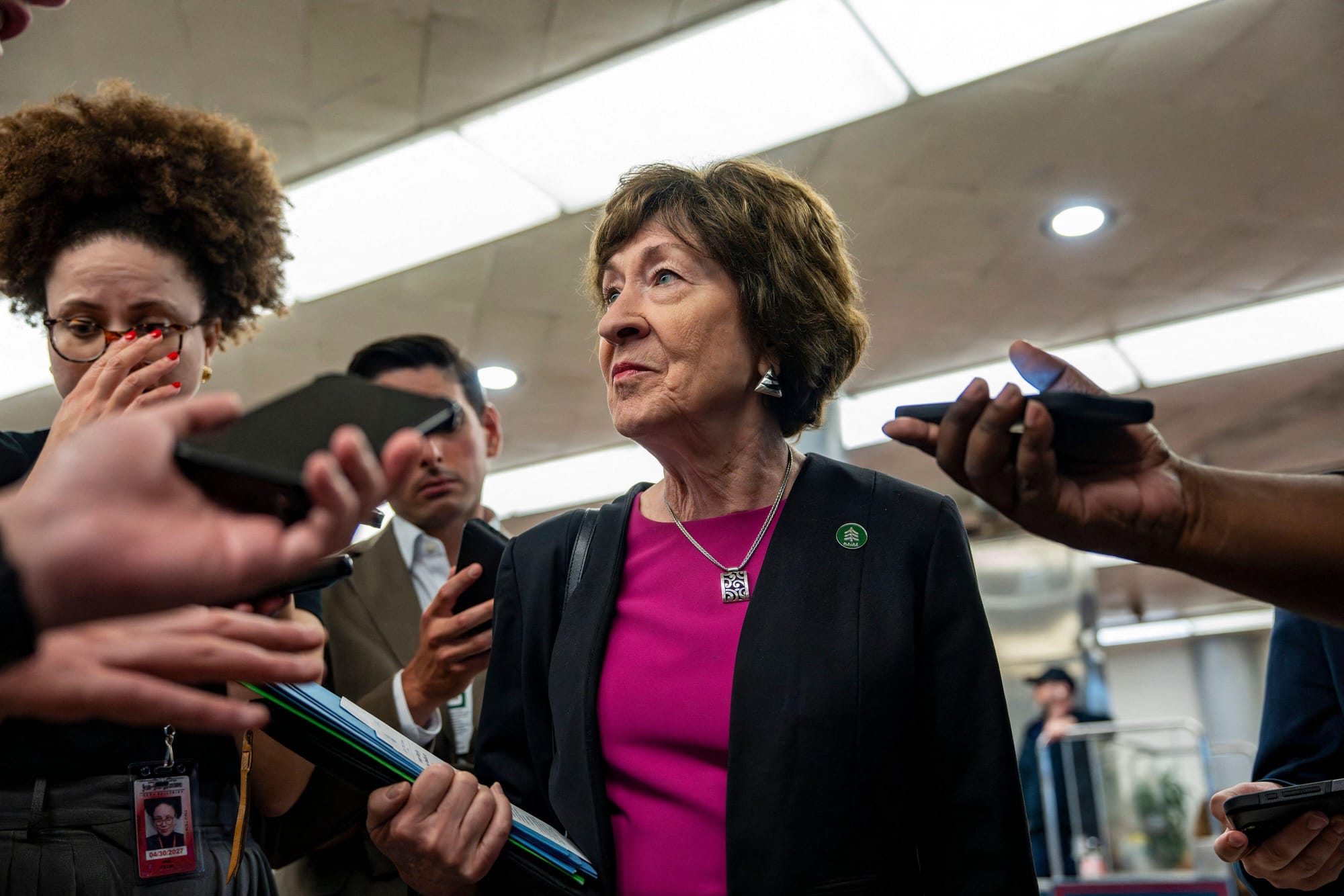
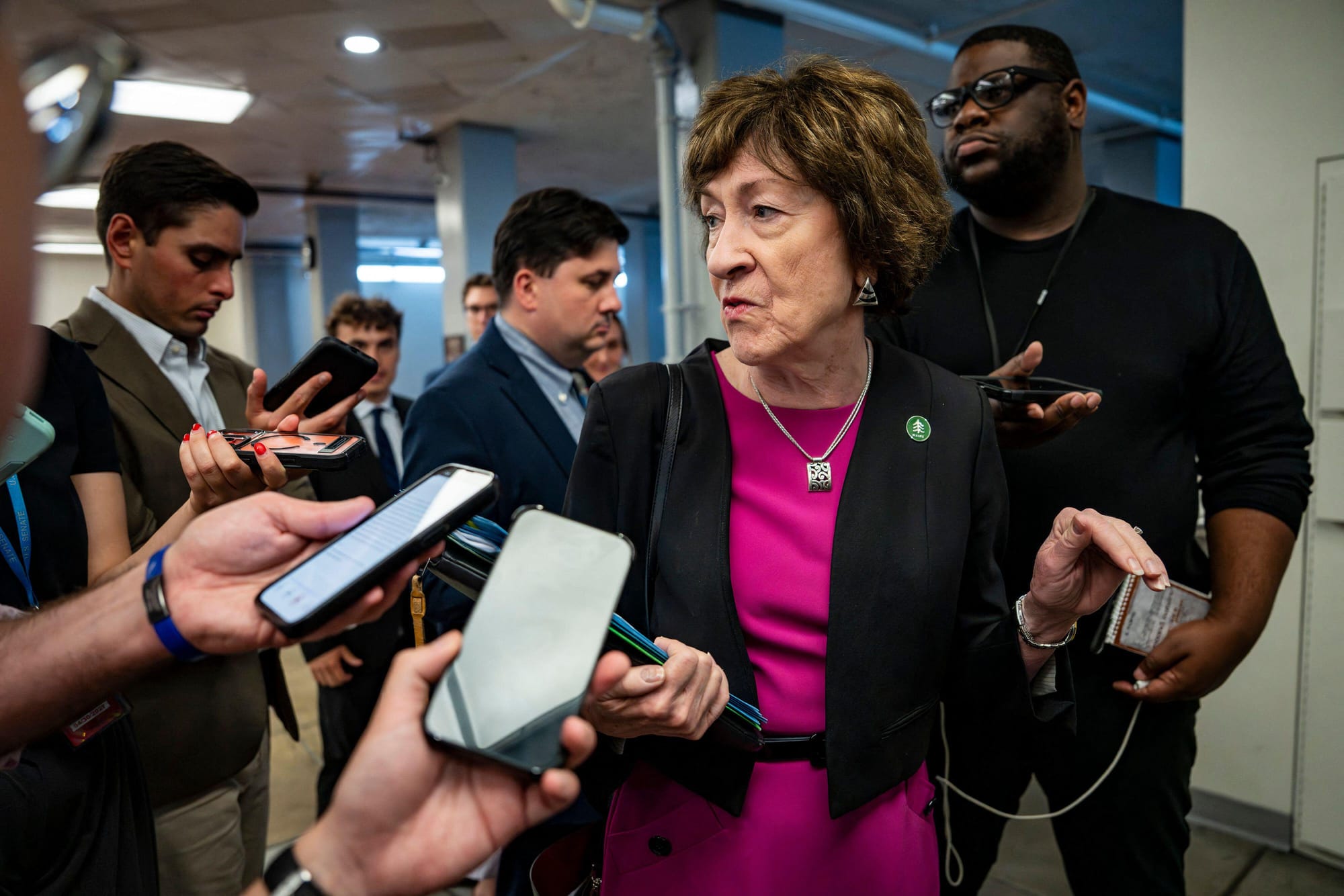
Susan Collins and Troy Jackson are flooding Maine’s airwaves with competing messages aimed at the voters who could decide one of the country’s closest Senate races.
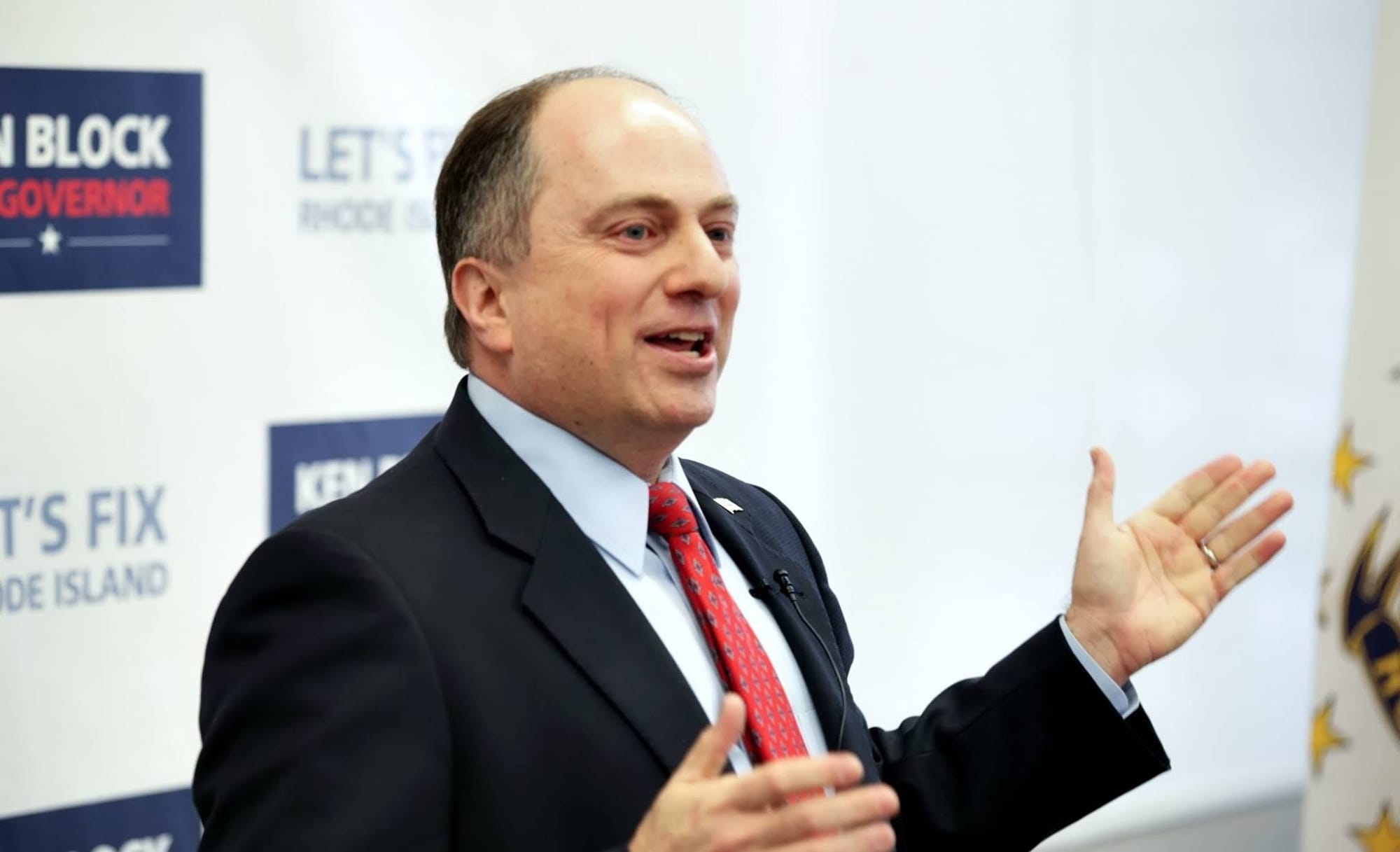
While Rhode Island’s major parties emerge from bruising primaries, Ken Block enters the general election arguing that a state dominated by unaffiliated voters is ready for something beyond partisan politics.
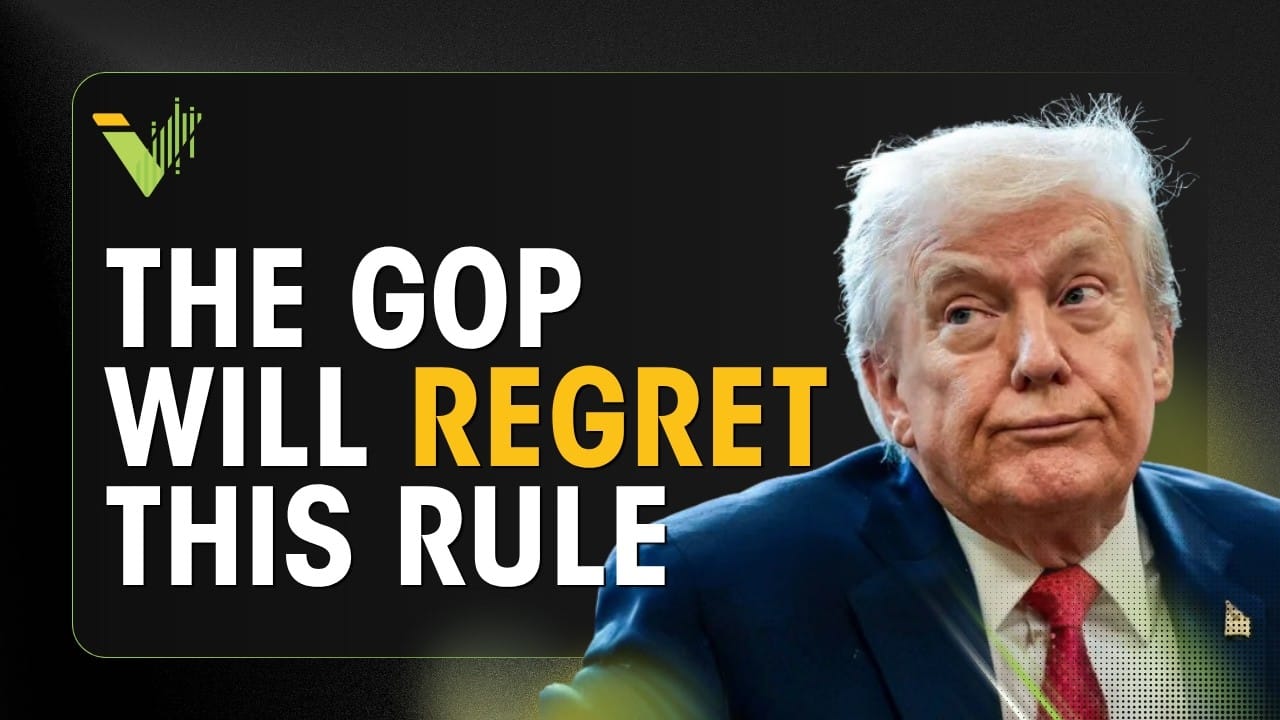
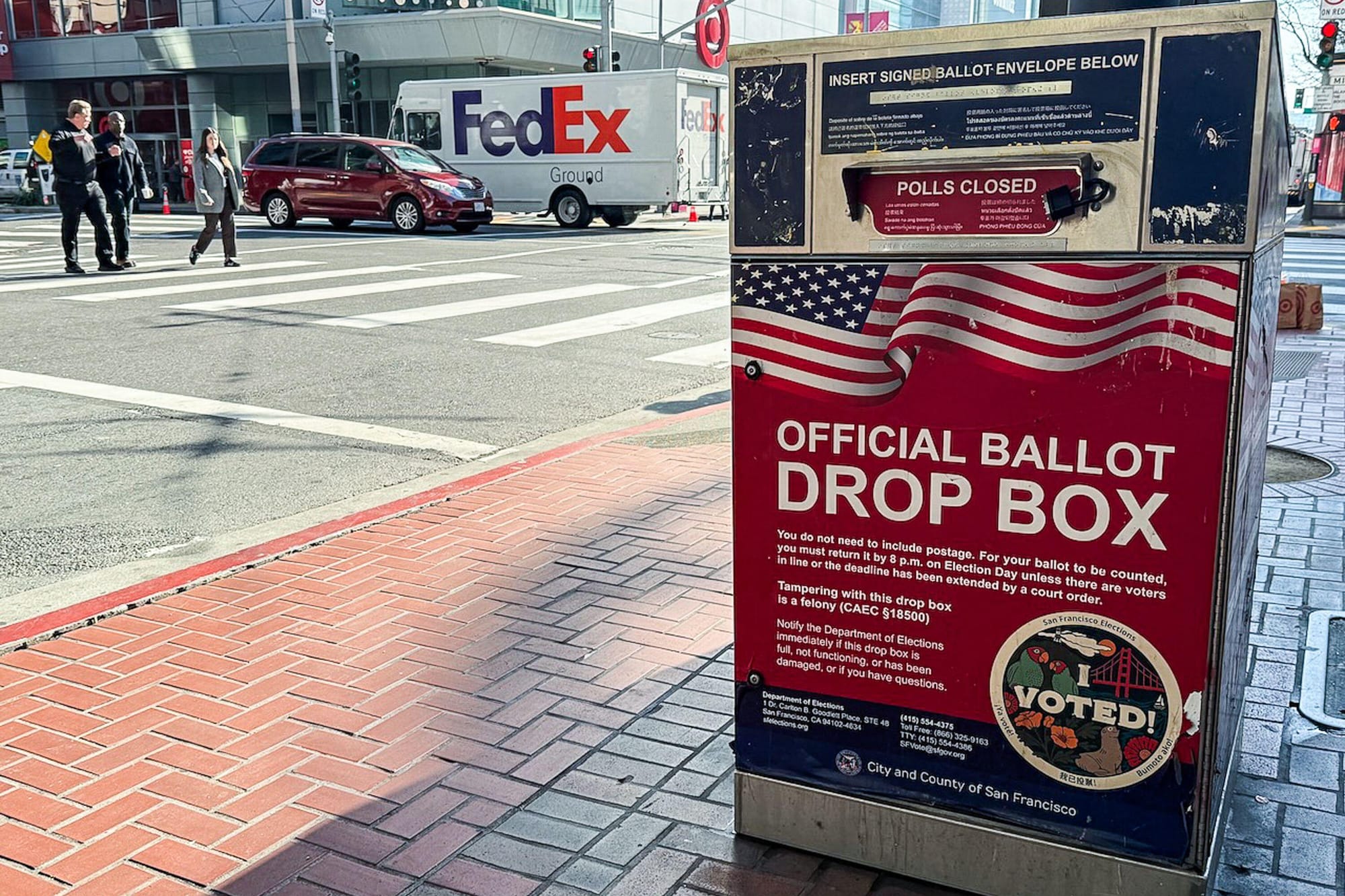
A whistleblower leak reveals Trump's USPS mail-in ballot rule could invalidate entire batches of ballots over a single envelope error, threatening midterm elections already underway in multiple states.
This September in Washington, leaders from across independent politics and democracy reform will gather alongside independent candidates from across the country. The significance is what becomes possible when an increasingly large but fragmented political ecosystem begins to coordinate.
Election reform can open the door to independent candidates. But without donors, data, staff, and campaign infrastructure, most are still starting from zero.
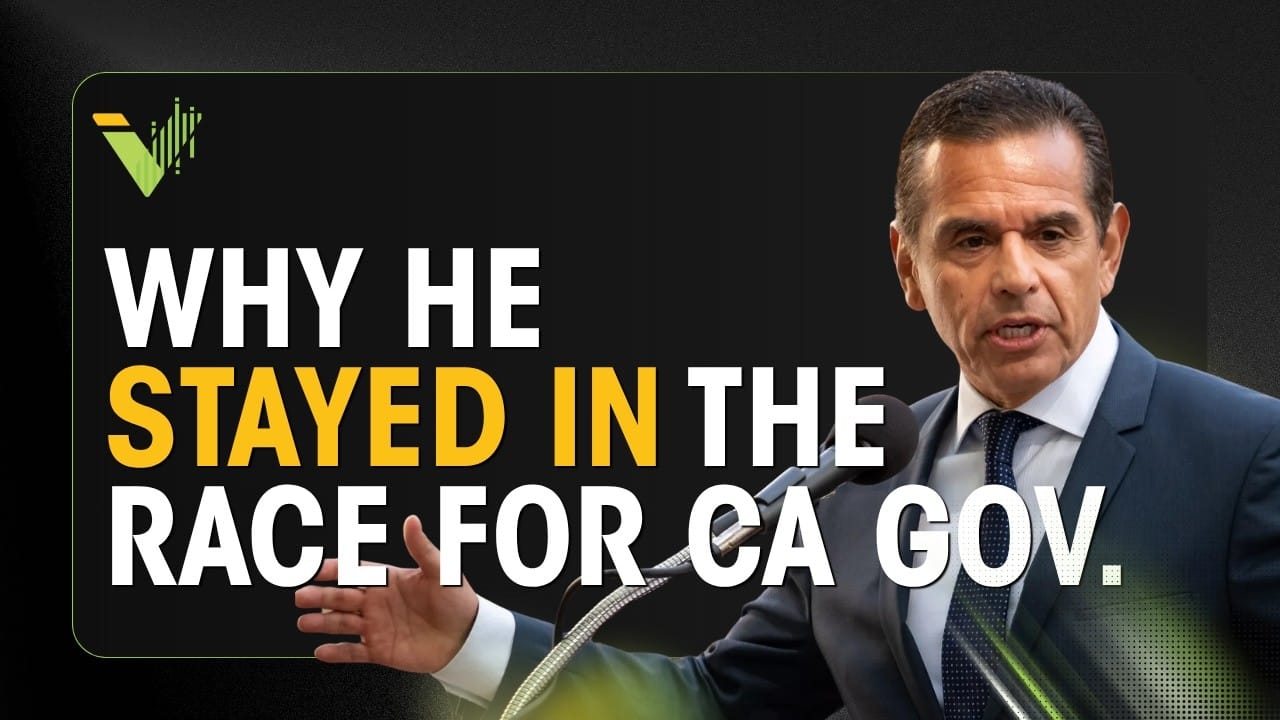
Former Los Angeles Mayor Antonio Villaraigosa discusses his defiance of California Democratic Party pressure to drop out of the governor's race and his critique of party strategy and fiscal policy.
With Democrats moving left and Republicans moving right, more and more moderates and independents are left politically homeless. Paul Rieckhoff argues that the future belongs to independent voters, who are close making up a majority in the US.
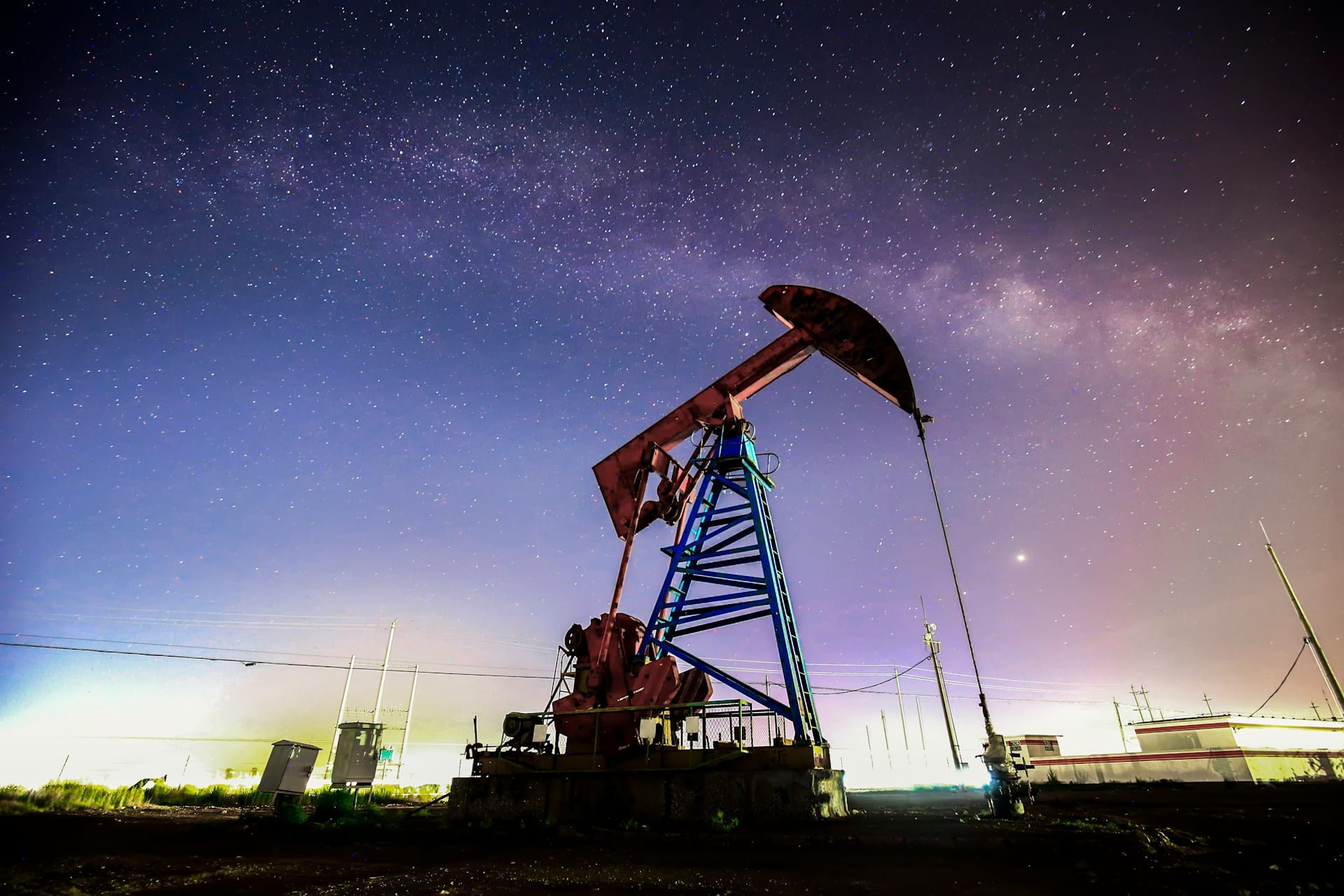
Voters shouldn't have to choose between keeping the lights on today and building a cleaner future — here's what a serious "all-of-the-above" energy plan actually looks like.
Maine’s longtime Republican survivor has built her career on independence, local results, and crossover support. In 2026, Trump’s unpopularity, tariffs, and political chaos are making that formula harder to sustain.