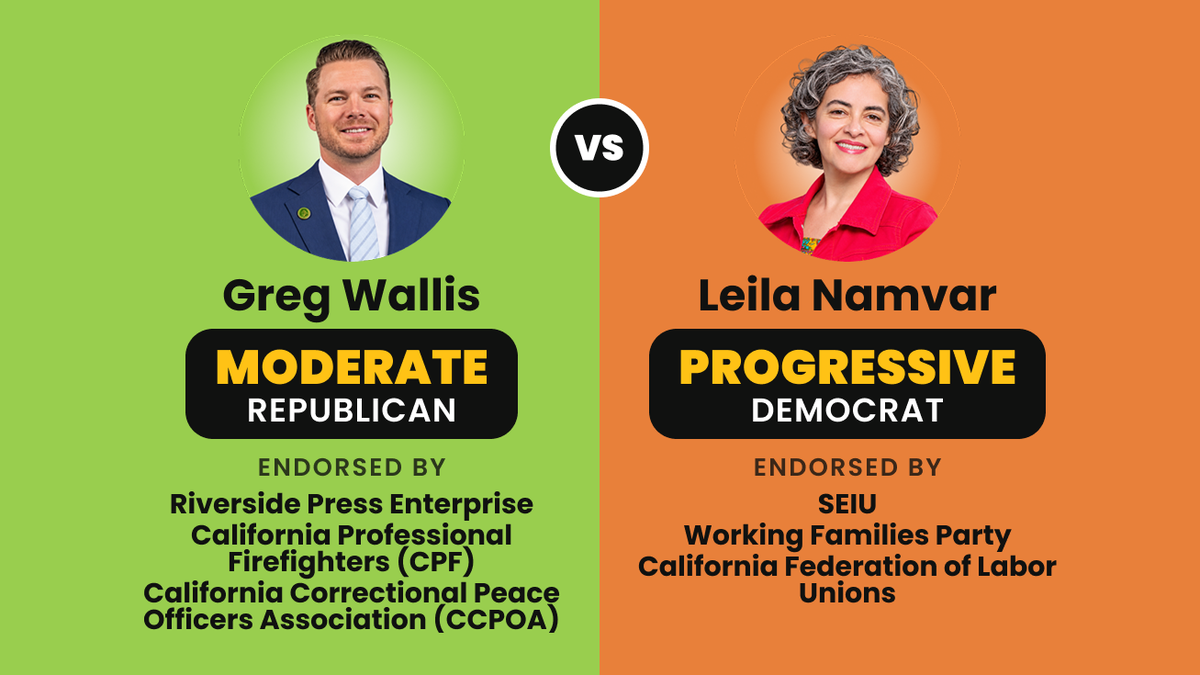
One of California's most competitive legislative districts is back in play as Republicans fight to hold the seat, Democrats spend big to flip it, and independent voters emerge as the deciding force.
As millions of California voters reject traditional party labels, Latino independents are challenging political assumptions and forcing candidates to compete for support neither party can take for granted.
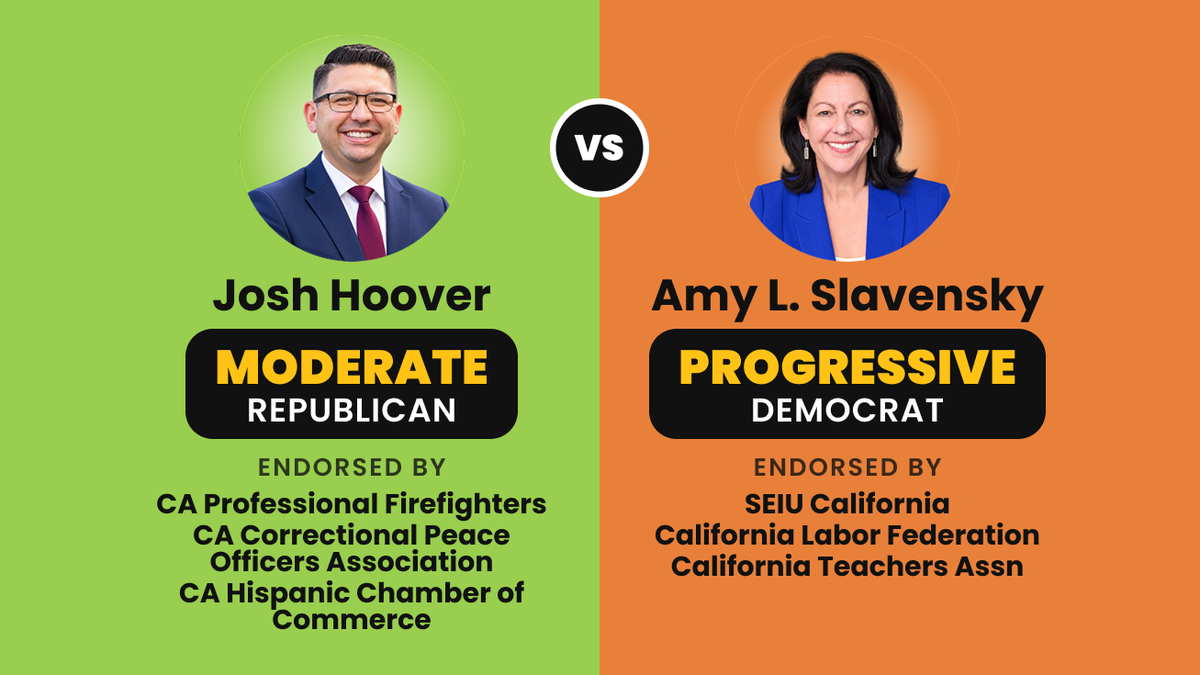
A Republican incumbent who breaks with his party more often than any other legislator faces a DSA-backed progressive Democrat in one of California's closest Assembly races.
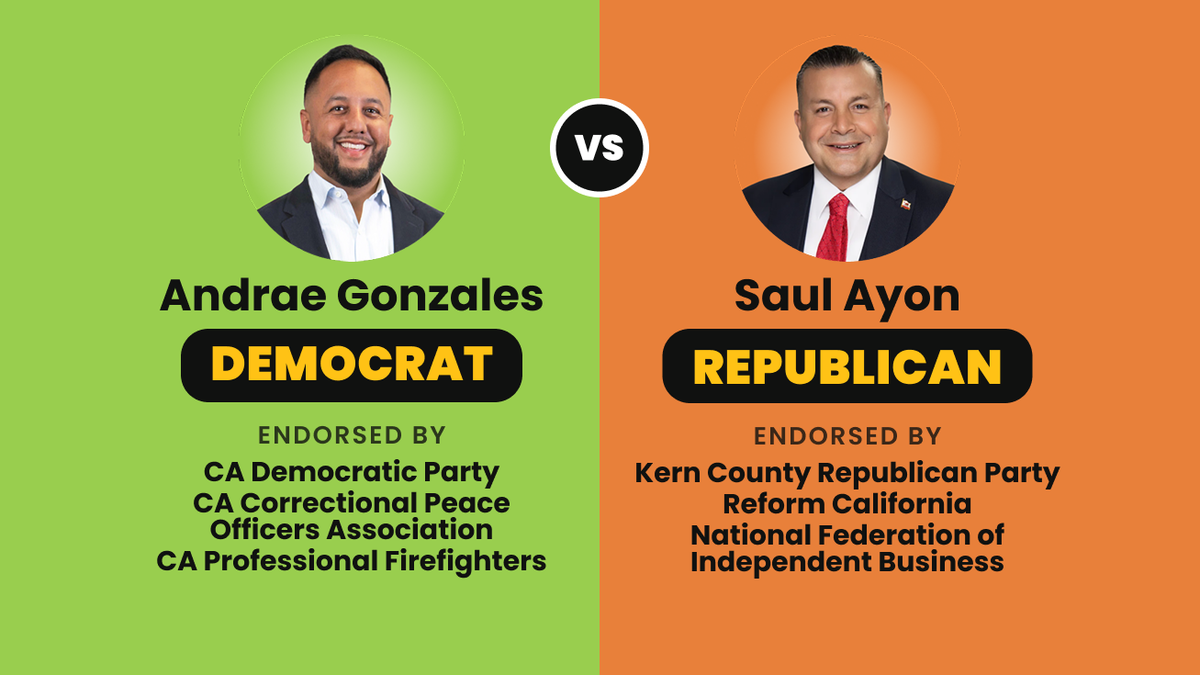
In Kern County's Assembly District 35, nearly one in four voters are registered with no party preference, making independents the likely kingmakers in a closely competitive race between Democrat Andrae Gonzales and Republican Saul Ayon.
Democratic Socialists and the California Working Families Party are fielding 25 candidates across California this fall, with 10 nearly certain to win. The races show how independent voters and the state's open primary system shape the left's push to move the Democratic Party further left.
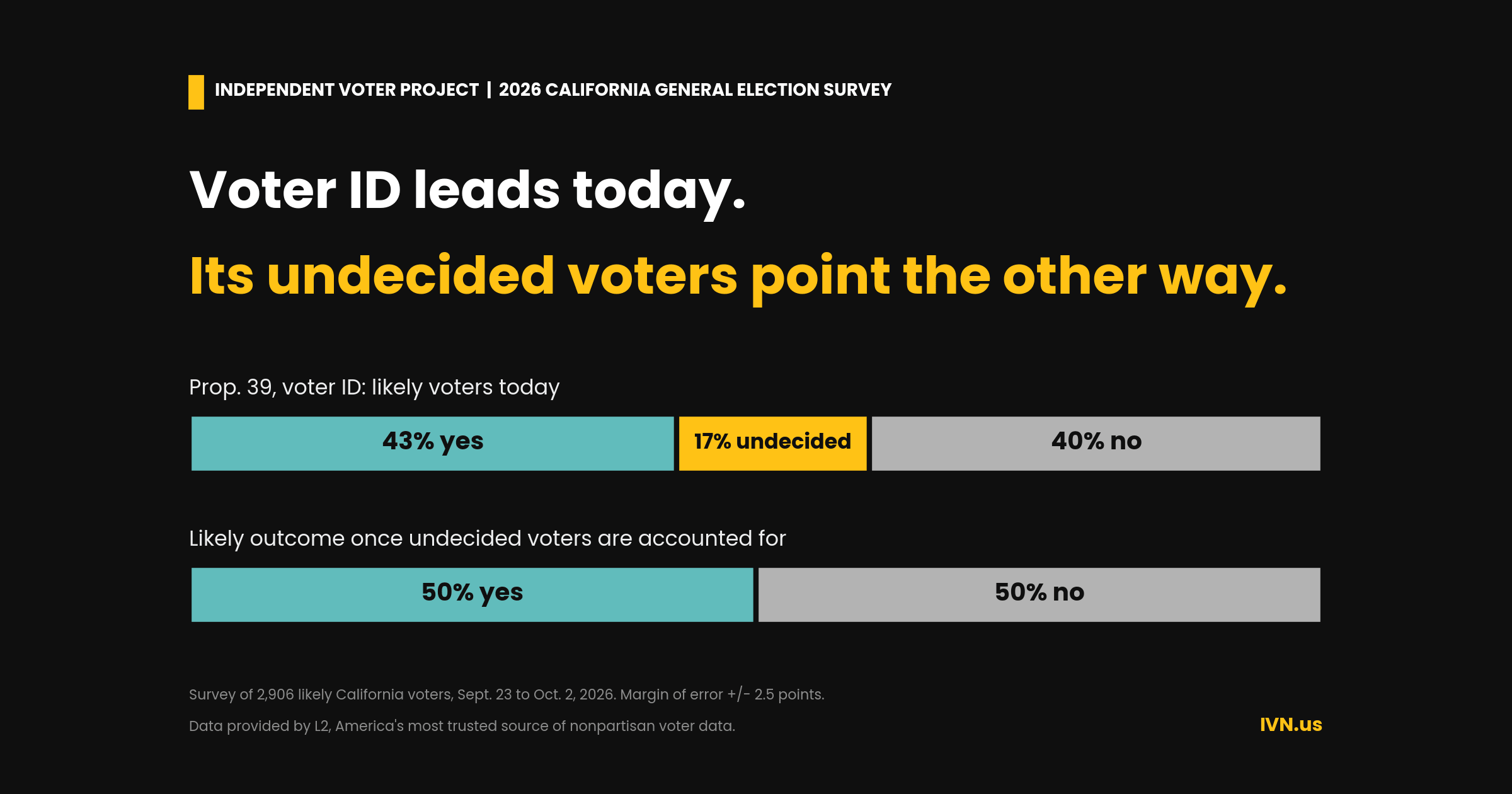
A new California poll shows Prop. 39 has a narrow lead among likely voters, but undecided voters—mostly Democrats—could swing the race either way. An analysis of who is undecided reveals the true state of close contests.
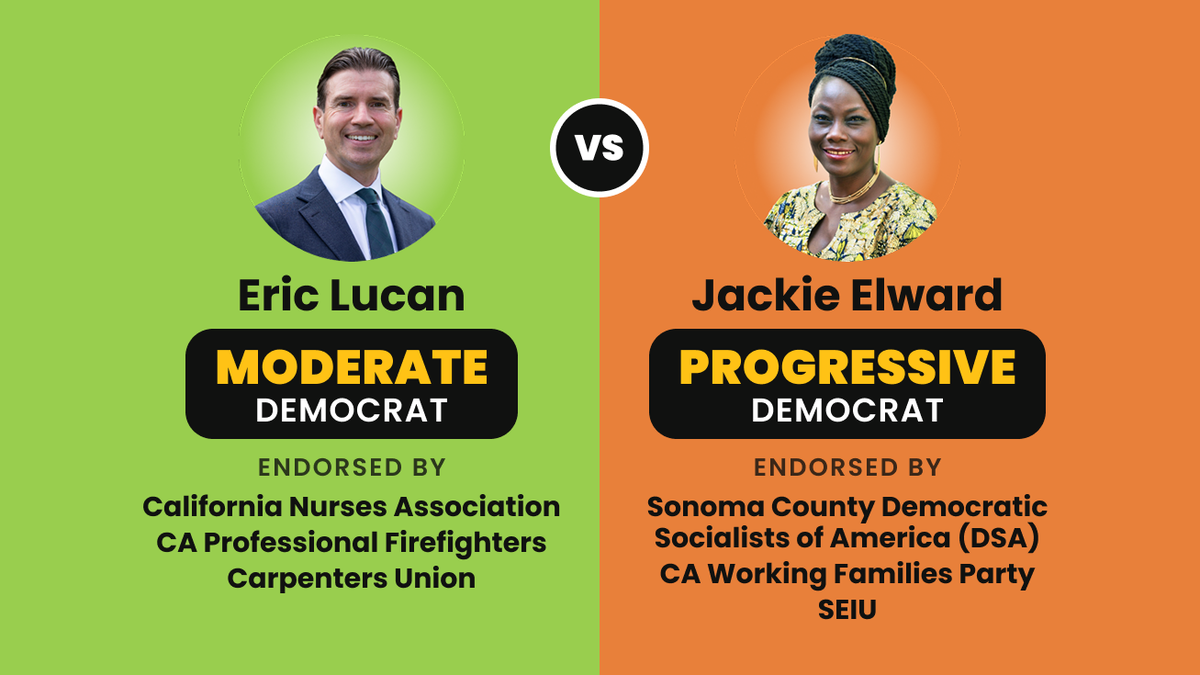
In California's top-two primary system, Marin and Sonoma County's Assembly race between two Democrats will be decided by independent voters. Jackie Elward and Eric Lucan differ sharply on AI regulation, wealth taxes, and progressive priorities.
California’s 22nd Congressional District challenges conventional wisdom about Latino voters, party loyalty, and the political assumptions that shape how campaigns are fought.
California voters broke the political parties’ grip on primary elections in 2010. A new repeal effort raises a fundamental question: Who should get to choose the candidates on the November ballot?
California's top-two primary brings DSA-backed Democrats face-to-face with the party's moderate wing before the entire electorate. Steve Peace, who authored the law, discusses whether his system is working as designed.
After more than three decades of waiting, Chula Vista’s long-promised public university needs both perspectives of business leadership and public service to cut delay, reduce uncertainty, and finally get it built.