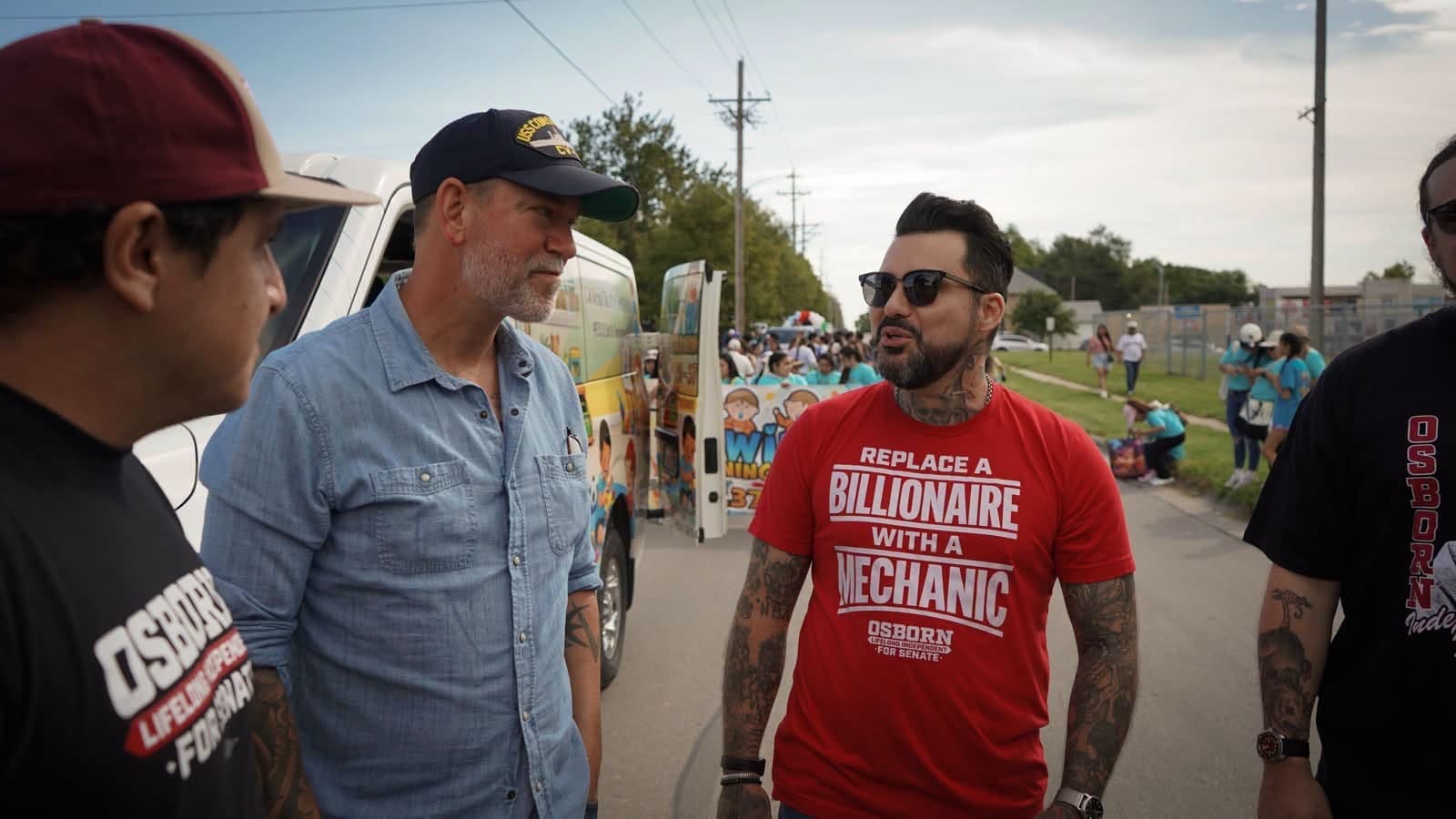
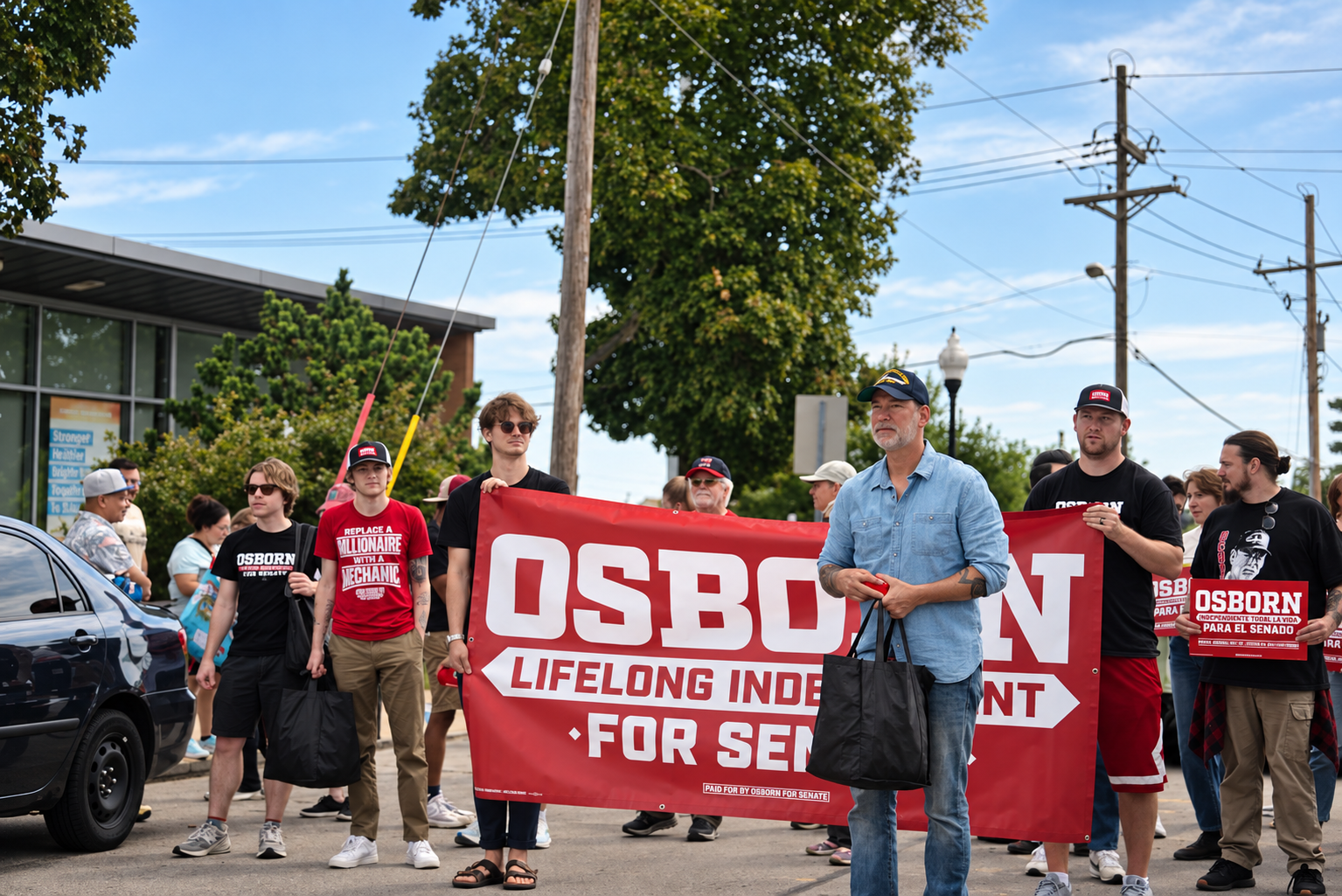
In Nebraska's Senate race, Republican Pete Ricketts is betting voters will see independent Dan Osborn as a Democrat, while Osborn argues he answers to neither party. The outcome could reshape how independents run for office nationwide.
Candidates who make it on the ballot don't always make it onto debate stages. Debate rules designed by media outlets, commissions, and civic organizations are locking out independent candidates while major party nominees sometimes skip debates altogether.
Polls are important tools to understand where a race stands, and where the electorate is moving. As with all tools, though, it’s important to understand how to use them.
Republicans charge the Independents with being secret Democrats. The Democrats' lead on the generic ballot has swung six points in four months. Do the polls show people are buying that argument?
The Voter Protection Project, which has backed only Democrats since 2019, joins a coalition of democracy groups supporting independent congressional candidate Bill Hill. This year, Alaska’s top-four election system is also on the ballot, as it faces another attempt to repeal it.
Three leaked recordings in two weeks have put a spotlight on the Nebraska Senate race and on the research operations that dig up this kind of material.
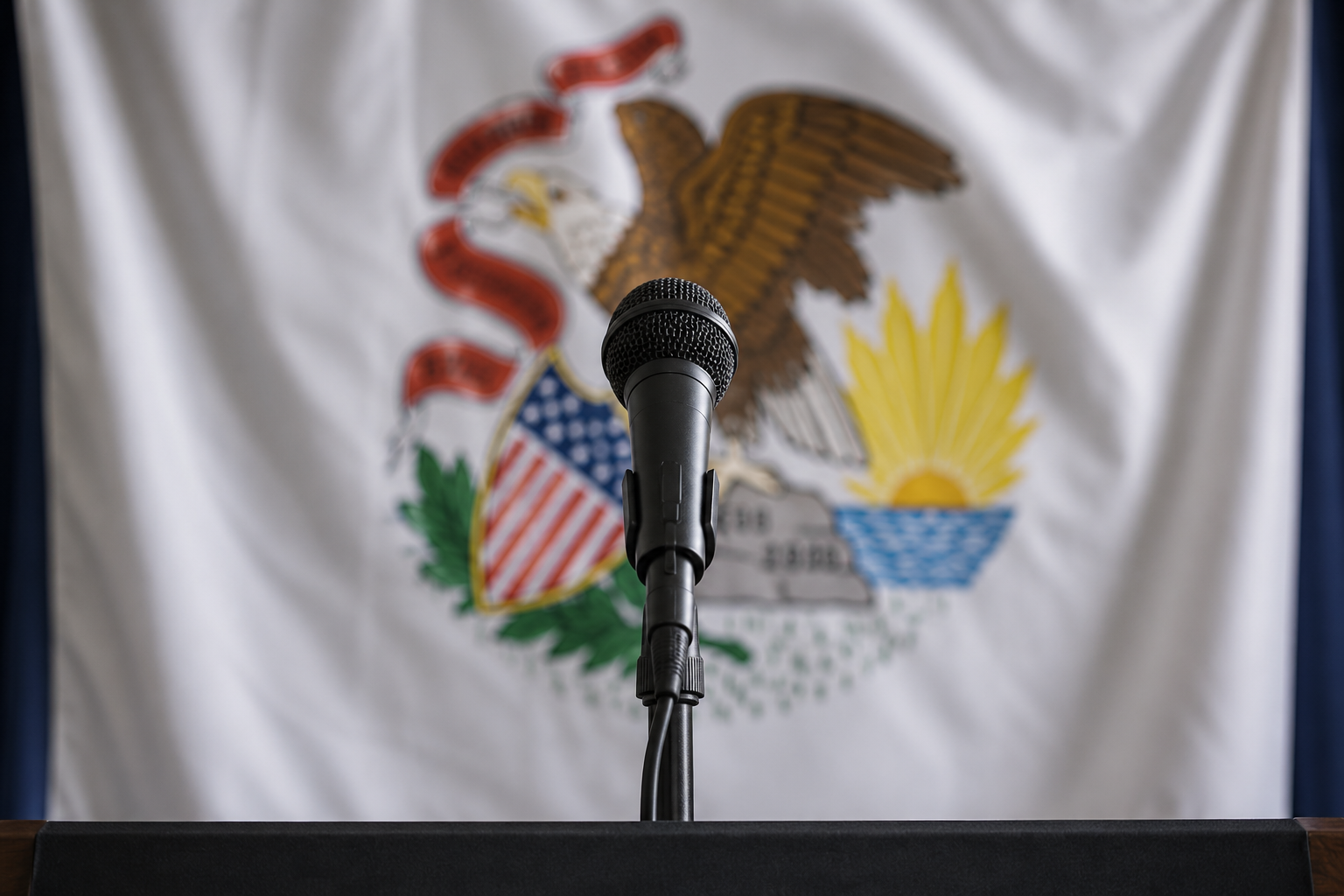
Illinois independent gubernatorial candidate Collin Corbett is demanding access to a debate forum with the Democratic and Republican nominees, facing the same polling-based exclusion rules that have kept independent and third-party candidates off debates for decades.
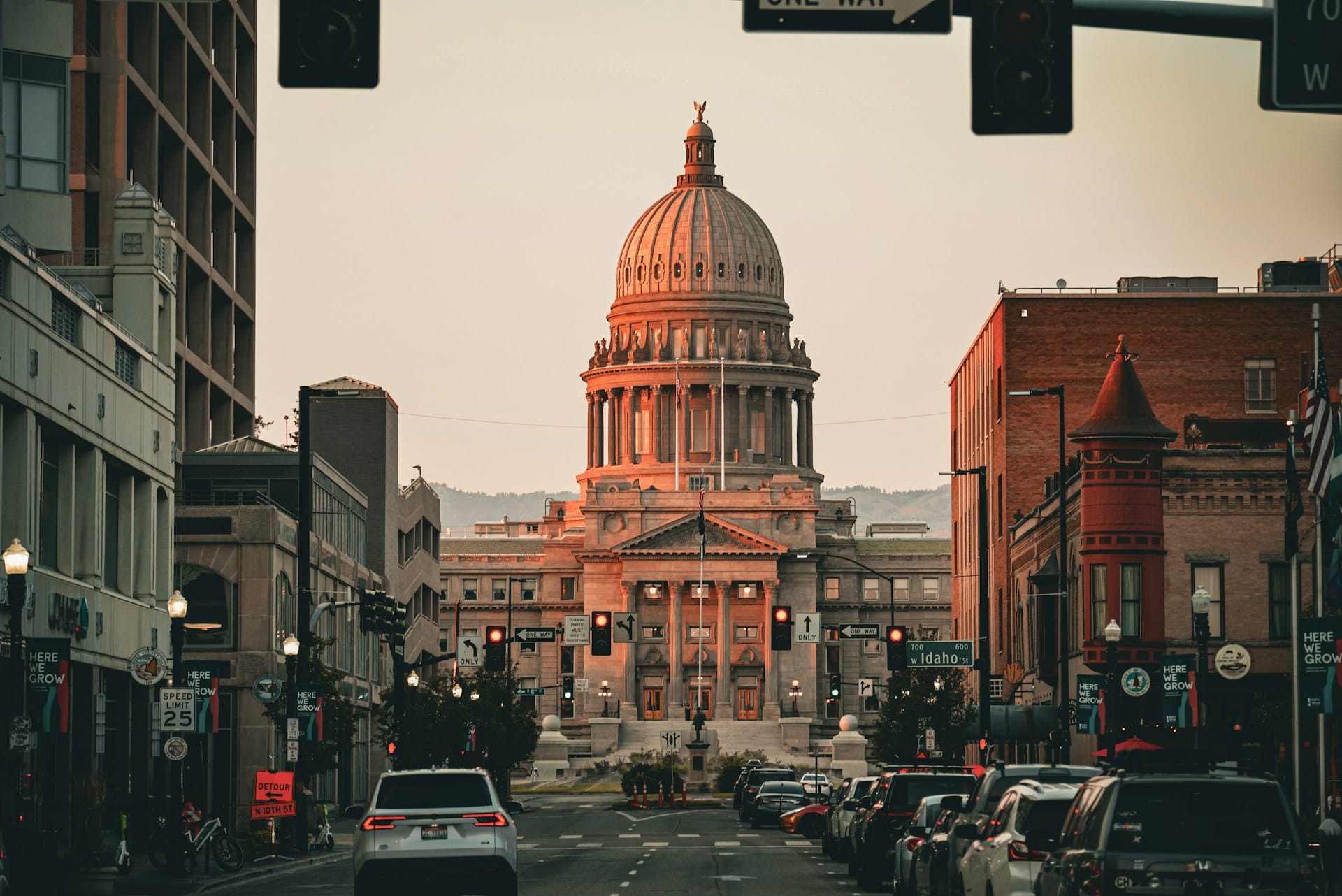
A closed Republican primary, a weak Democratic Party, and a wide gap between how Idahoans register and how they identify have produced an unusually deep bench of independents.
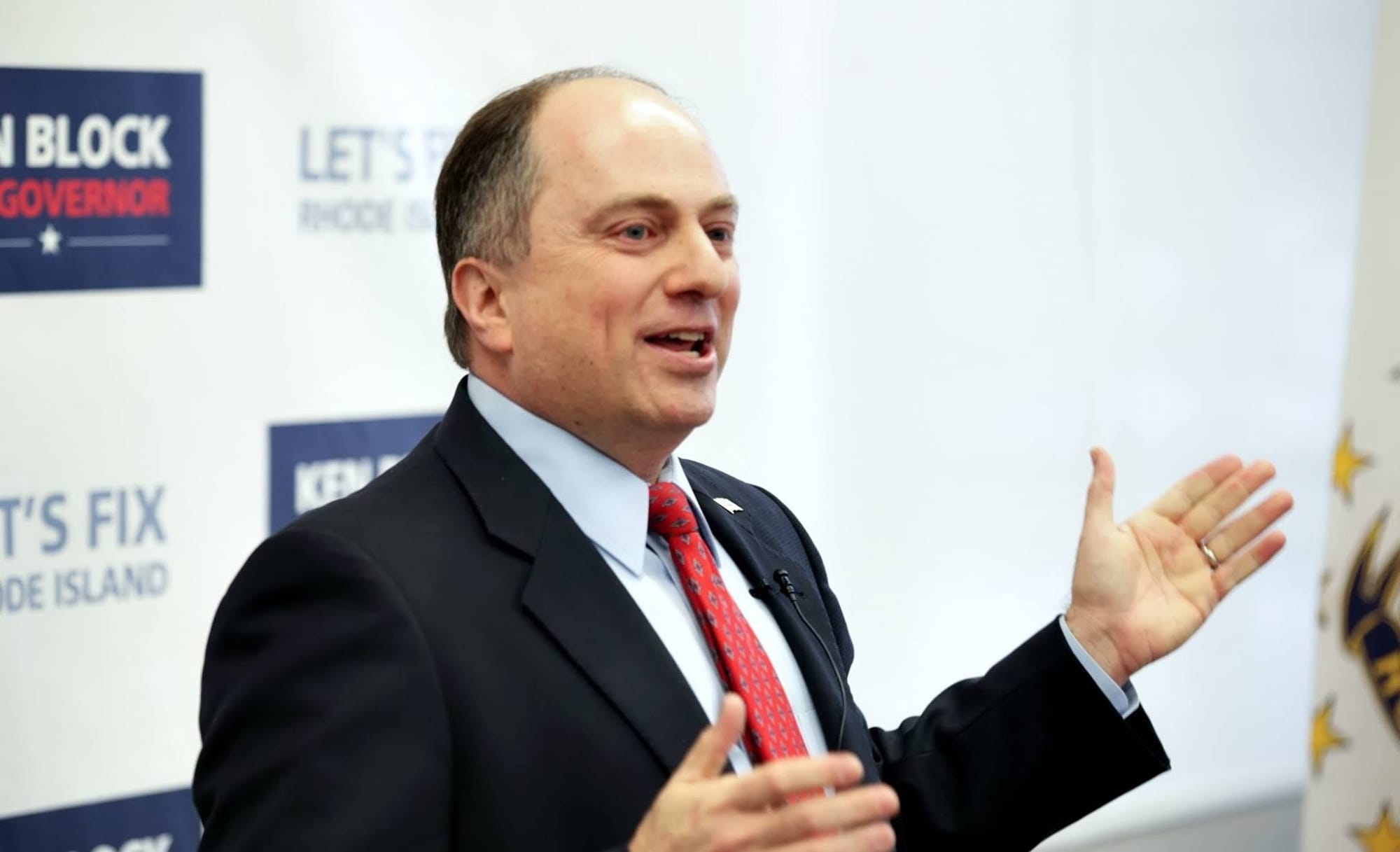
While Rhode Island’s major parties emerge from bruising primaries, Ken Block enters the general election arguing that a state dominated by unaffiliated voters is ready for something beyond partisan politics.