
It's been called The Year of the Woman, the apex of the #metoo movement, and the height of #timesup. And the sheer number of female candidates running for Congress is commonly referred to as the ‘pink wave'. But as it turns out, the ‘pink wave’ is actually a shade of deep blue.
Just take a look at the playing field we face in the run-up to November. According to the latest numbers 2,634 people are running for US Congress in 2018 and females comprise 23 percent of all nonincumbents. If we break it down by party, the numbers are astonishingly lopsided; 80 percent of those women are Democrats. While women in blue enjoy broad support from their party, their sisters in red have secured only 13 percent of the entire GOP congressional candidate field and that is the most since 1989.
Meanwhile, female independent candidates are building a robust alliance and gaining momentum, particularly at the state level. Instead of pushing for membership in a 'pink wave' they're smartly learning to use the color green, in the form of dollars, to build a movement. And they're doing it while sticking to their principles.
Must Bring Cash
In Vermont, when State Representative Laura Sibilia first hit the campaign trail as a newbie in 2014 she was running against an eight-year incumbent who, she felt, prioritized special interest issues over constituents.
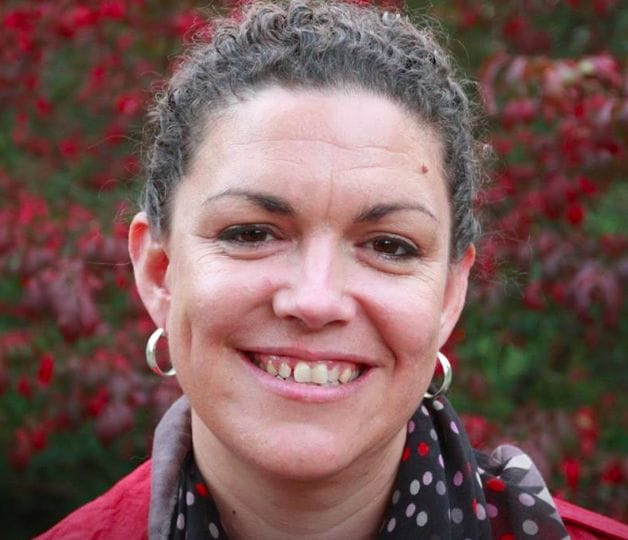
“I have a fair amount of moxie and willfulness and am always up for a challenge,” she says. But she does not cover up her distaste for fundraising. It’s a beast. “My god I hate that so much. I hate it, hate it, hate it."
As a former Executive Director of the Mount Snow Valley Chamber of Commerce and with a heavy involvement in regional economic development, she had professional connections and a sterling reputation.
“But I was not taking any special interest money because the incumbent opponent, he was working really hard on the issues that special interests were paying him to focus on.” Lo and behold when she announced her candidacy, competing industry groups began to quietly mail her checks. They had no idea what she intended to do next.
“So, I’d snap a shot of the check with a friendly little note on it “Sorry I'm not taking any of these funds, but I look forward to working with you!” And posted it on social media…it caused some waves.”
Financial support came from a few former colleagues on the Chamber of Commerce board, her boss provided some support, on top of that her family chipped in 50’s and 100’s and she put in a little of her own. Sibilia took the race by 39 votes.
“We raised about $7,000 in my first election, then the guy that I beat decided he was going to run again, I raised a similar amount. His support was exclusively from PACs and I could not be more proud.”
Extending the network and asking people to give money is hard. For some, coupling the ‘ask’ with the support of a larger organization is what gets the job done – if you pick the right organization that is. South Dakota’s Cory Ann Ellis, an independent candidate for the District 7 House seat, has learned the money game very quickly. The former college hall of fame athlete and veteran says she now approaches it like a business.
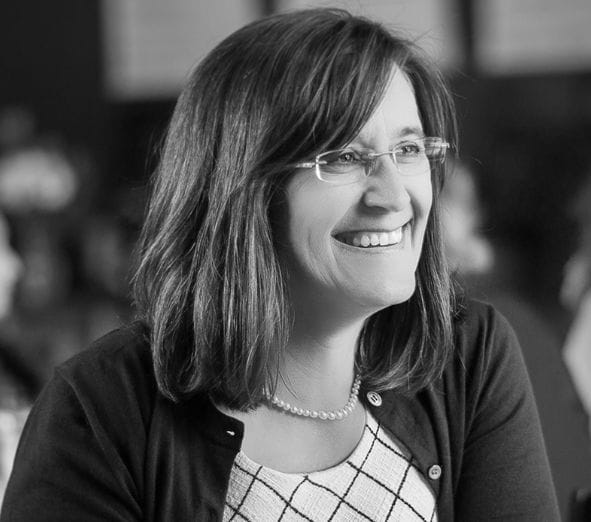
“Right now, they are investing in their representation. I want to go and fight for them, and this is an investment to get me there. And that makes it easier to ask, but it’s still hard. I think what made it easier was that first go. People say, “How can I help?” and I began with “Here are the ways you can help, and remember we always need money.”
Female candidates, as a whole, tend to receive the majority of their funding through individual donations. Ellis has decided to team up with Unite America, an organization that backs and supports competitive independent candidates to gain additional financial support.
“It’s empowering to know that there are organizations and other people who see what you are doing and believe in it and are willing to put their endorsements and money and well wishes behind it.”
She is now operating well above her base goal of $7,500.
Endorsements, money and well wishes from supporters are all a candidate needs to survive and continue into the next round. Our female independents may not be in line to receive vast war chests of campaign cash, as are the ladies in red and blue, but their ingenuity is setting the preconditions for voters in future election cycles to say more with greater regularity, “Oh that’s right! I heard about that candidate!” This may very well steadily create a wave. The hard part will be explaining to people why we don’t want to give our wave a color.