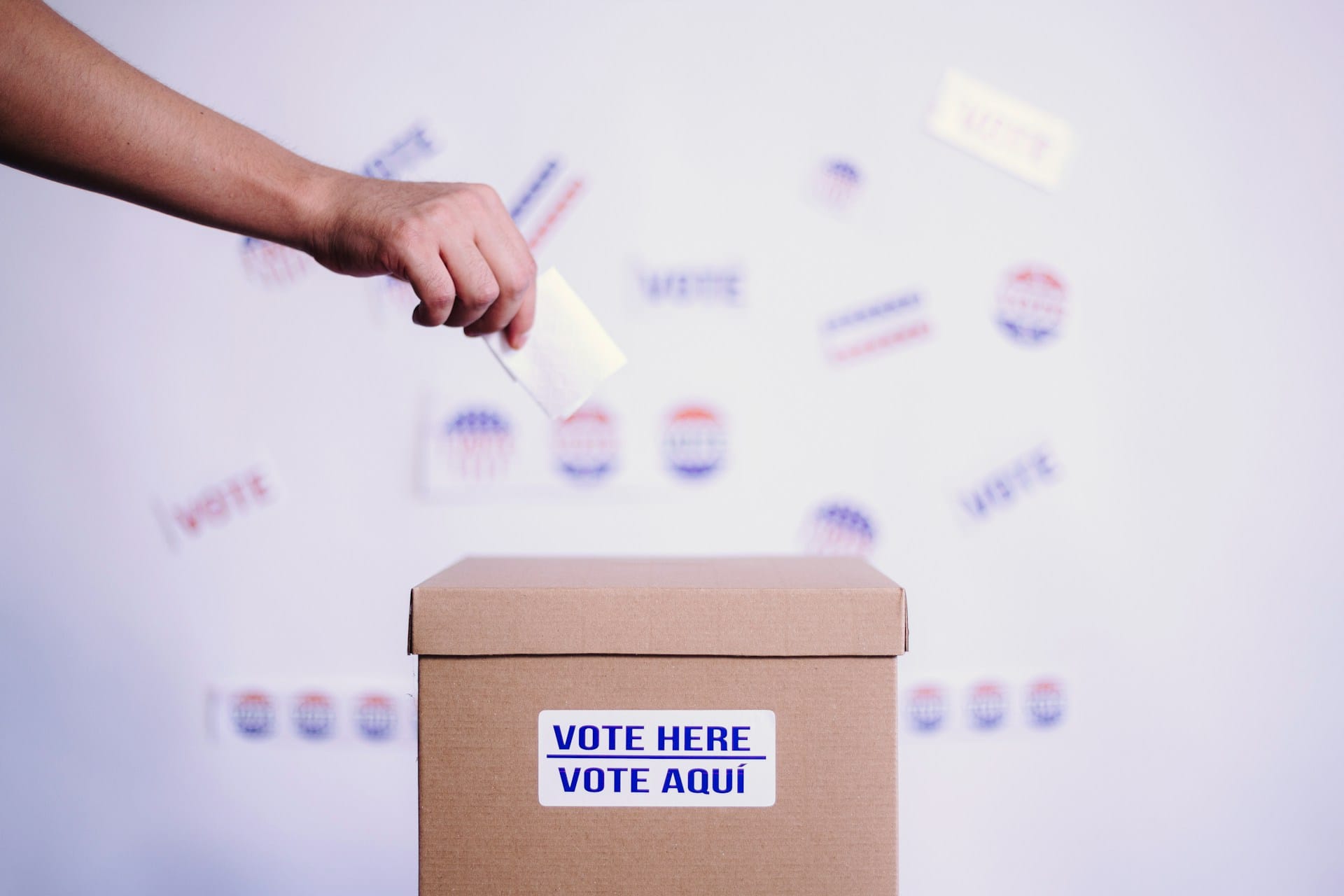
Election reform can open the door to independent candidates. But without donors, data, staff, and campaign infrastructure, most are still starting from zero.
Voters shouldn't have to choose between keeping the lights on today and building a cleaner future — here's what a serious "all-of-the-above" energy plan actually looks like.
California's Top Two primary gives independent voters a voice in all elections. Closing primaries to party members only would strip voting power from 5.2 million registered independents.
Independents are among the most distrustful Americans, as new polling shows confidence in government and major institutions hovering near historic lows.
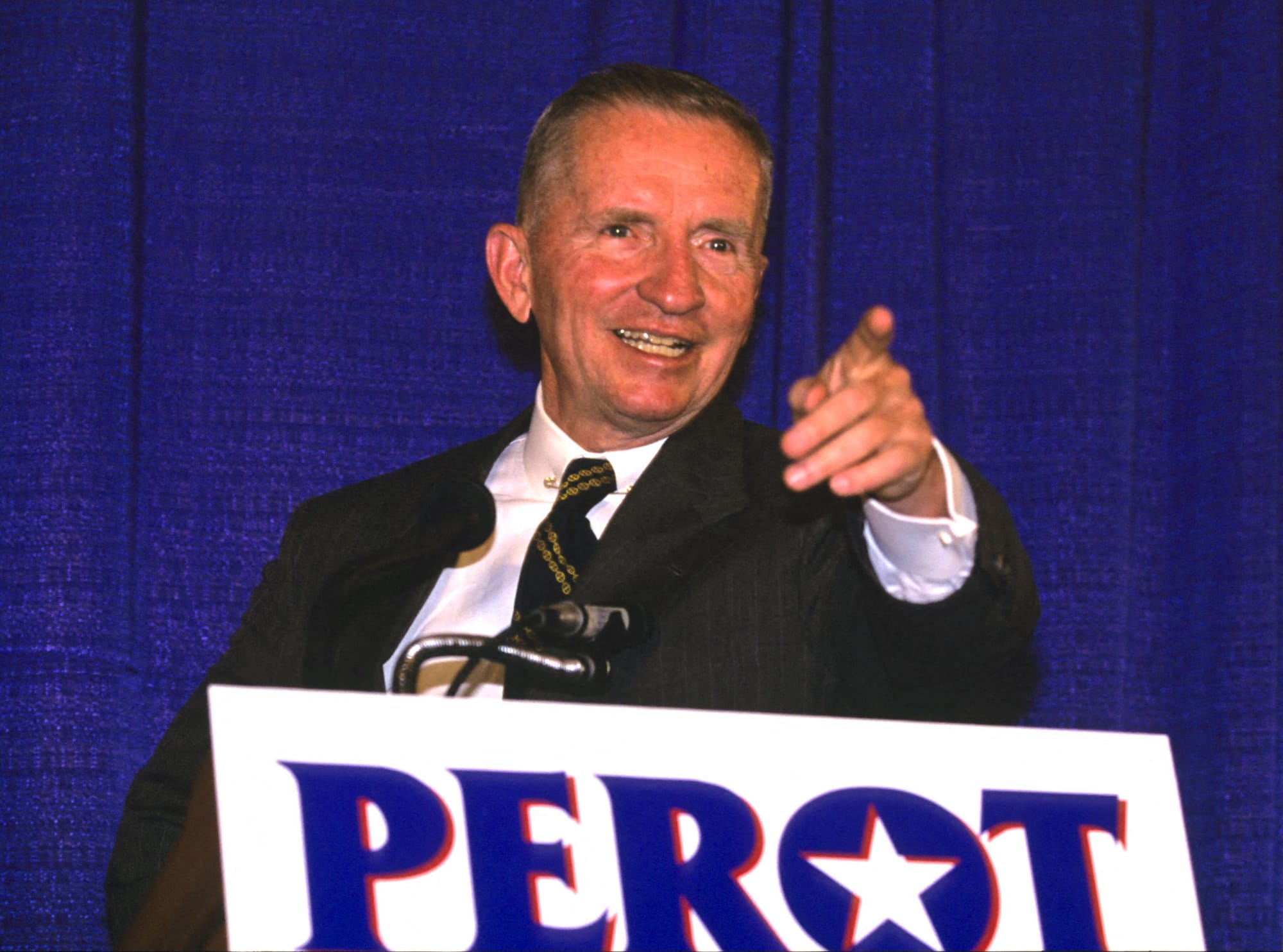
Independent candidates are multiplying, independent voters are organizing, and the two-party system is facing a challenge it thought it had buried decades ago.
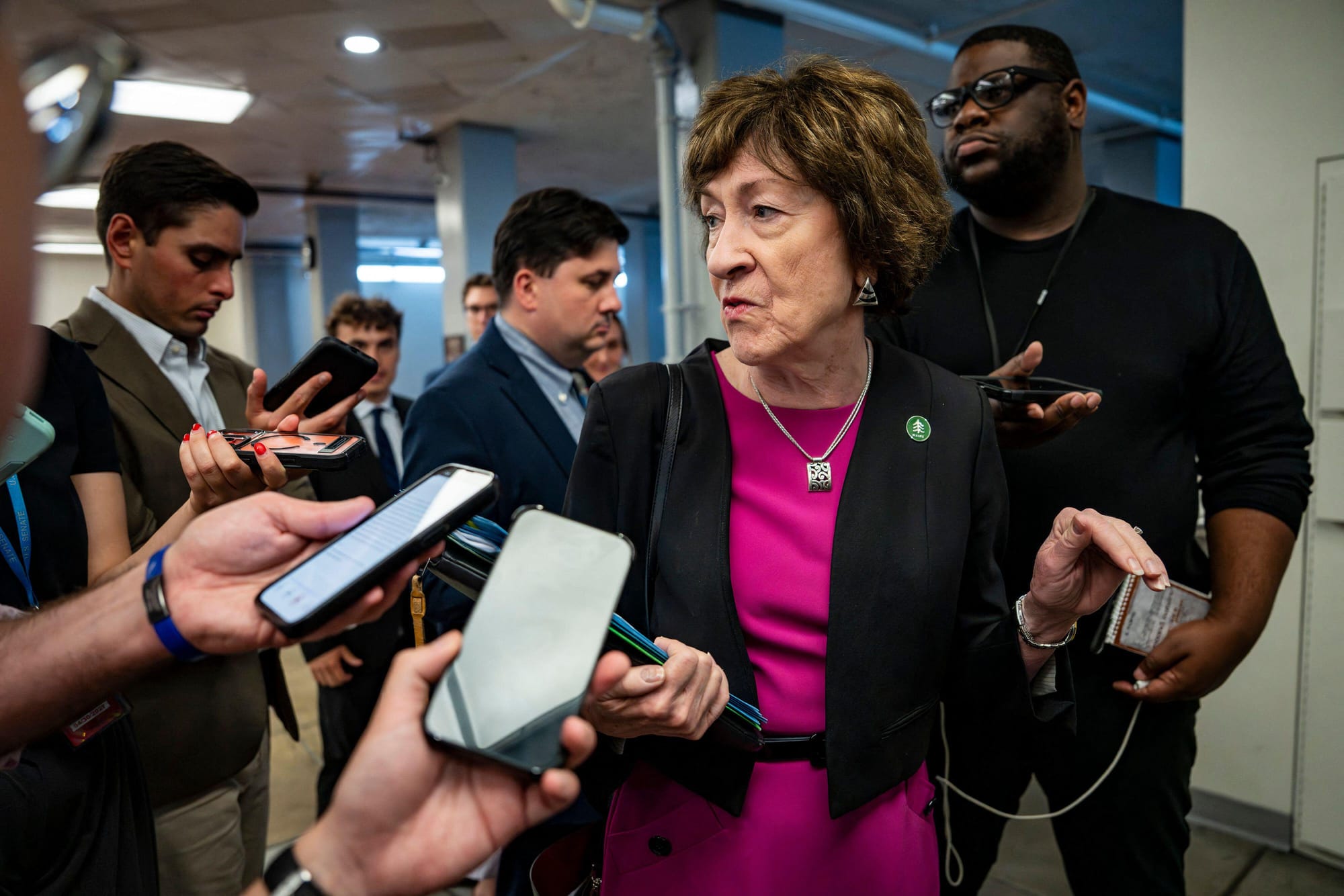
Maine’s longtime Republican survivor has built her career on independence, local results, and crossover support. In 2026, Trump’s unpopularity, tariffs, and political chaos are making that formula harder to sustain.
Americans don’t lack political opinions. They lack candidates willing—or able—to overcome the money, party gatekeeping, ballot access rules, and other barriers that keep so many elections from ever becoming competitive.
When threat levels are at their highest due to the situation in Iran, President Trump ousted Homeland Security Secretary Kristi Noem at 1:40 p.m. March 5 in a Truth Social post and named Republican U.S. Sen. Markwayne Mullin of Oklahoma as her replacement.