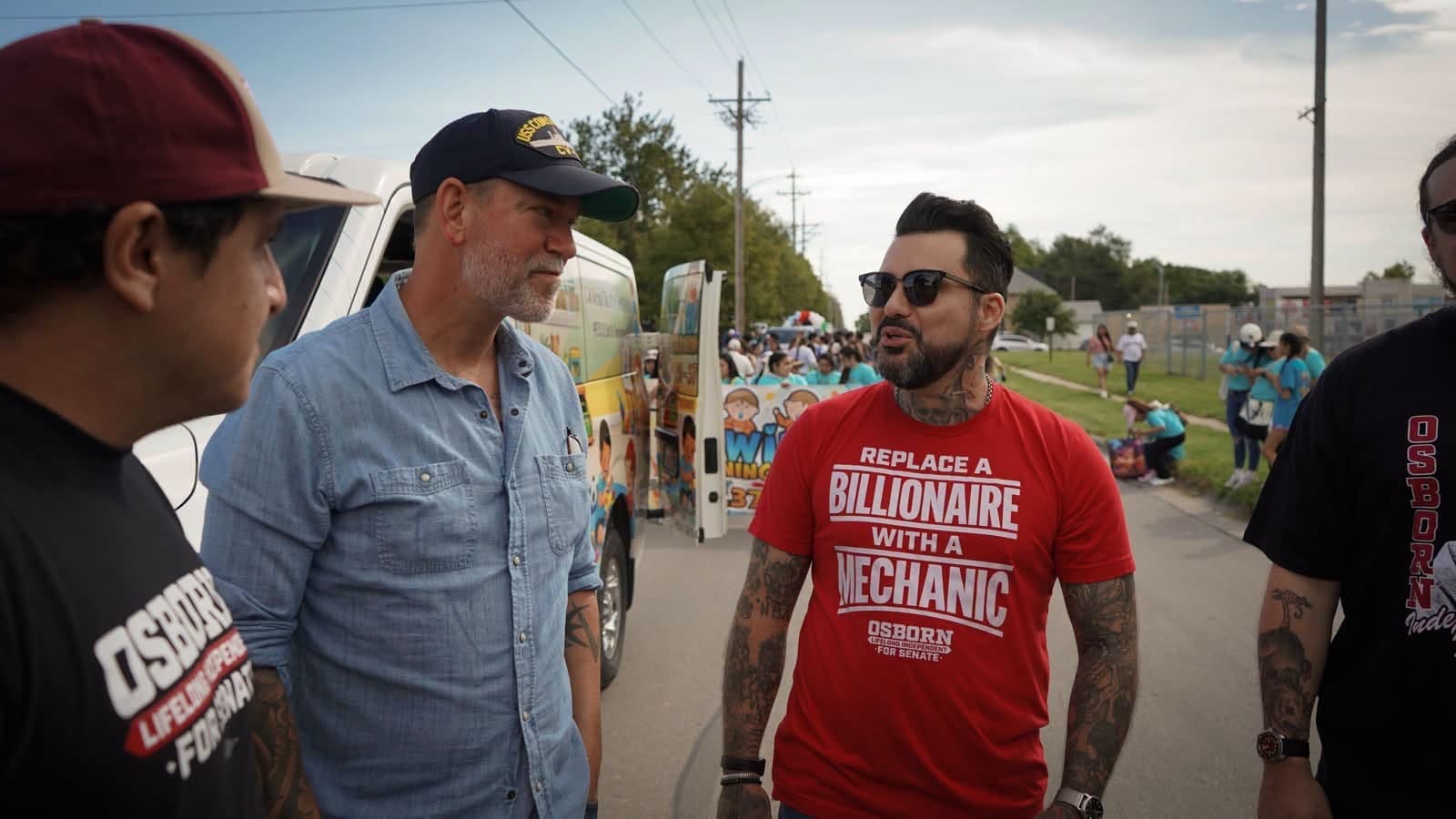
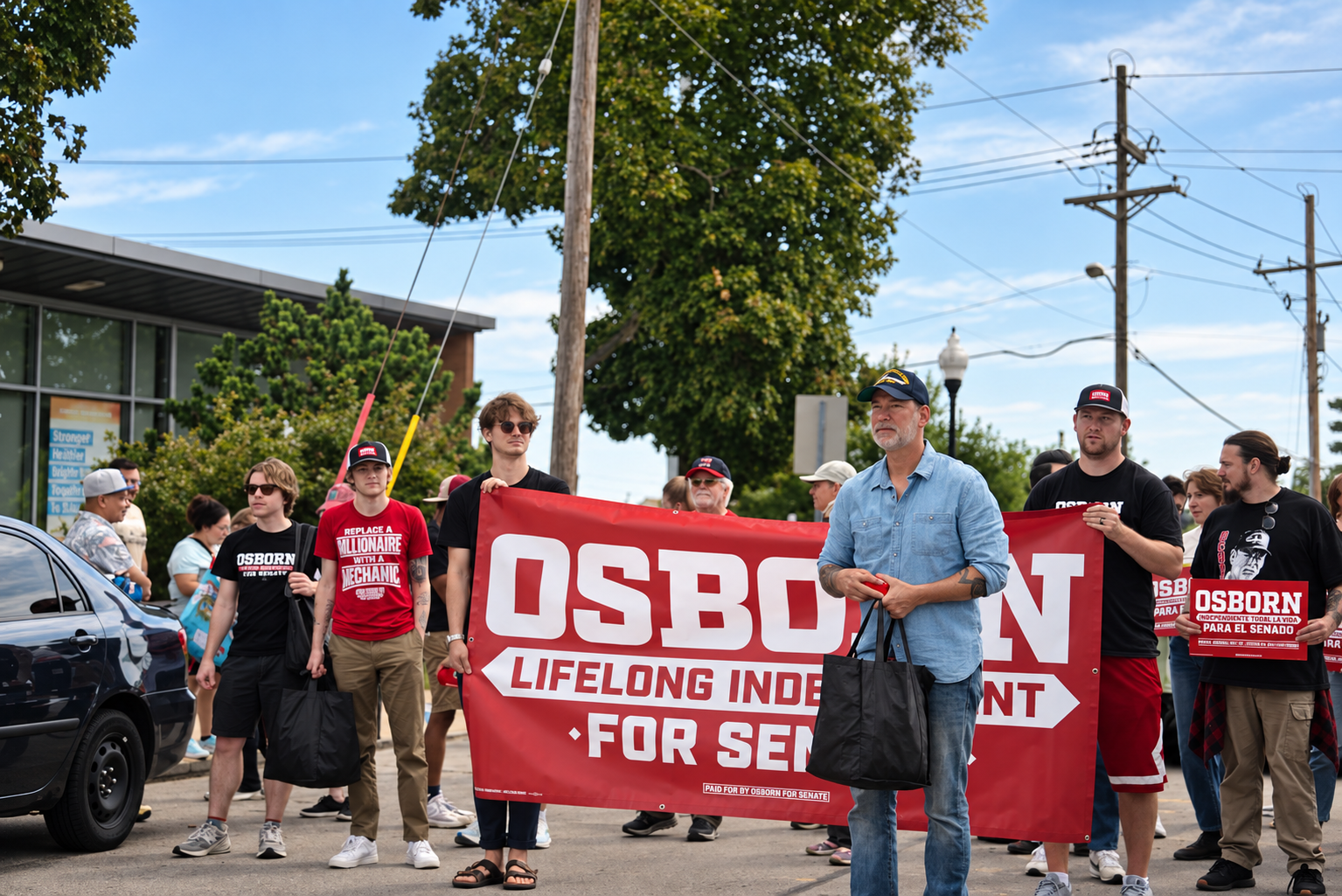
In Nebraska's Senate race, Republican Pete Ricketts is betting voters will see independent Dan Osborn as a Democrat, while Osborn argues he answers to neither party. The outcome could reshape how independents run for office nationwide.
Polls are important tools to understand where a race stands, and where the electorate is moving. As with all tools, though, it’s important to understand how to use them.
Independent voters, locked out of primaries in most states, are now the most sought-after voting bloc as candidates distance themselves from party leaders to appeal to the general election electorate.
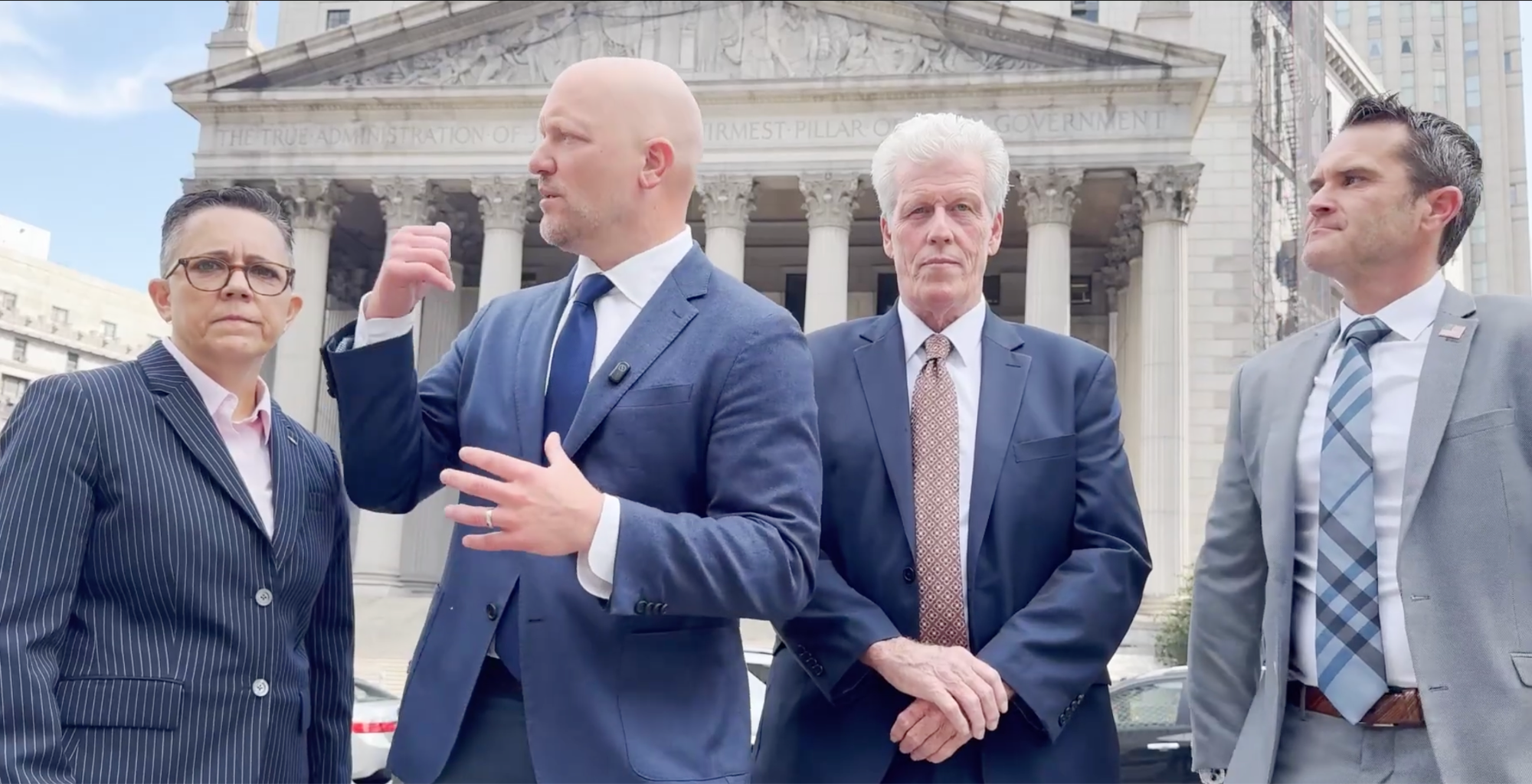
Iraq and Afghanistan war veterans are suing New York over its closed primary system, arguing that independent voters are being denied equal voting rights in publicly funded elections.
Republicans charge the Independents with being secret Democrats. The Democrats' lead on the generic ballot has swung six points in four months. Do the polls show people are buying that argument?
The Voter Protection Project, which has backed only Democrats since 2019, joins a coalition of democracy groups supporting independent congressional candidate Bill Hill. This year, Alaska’s top-four election system is also on the ballot, as it faces another attempt to repeal it.
Three leaked recordings in two weeks have put a spotlight on the Nebraska Senate race and on the research operations that dig up this kind of material.
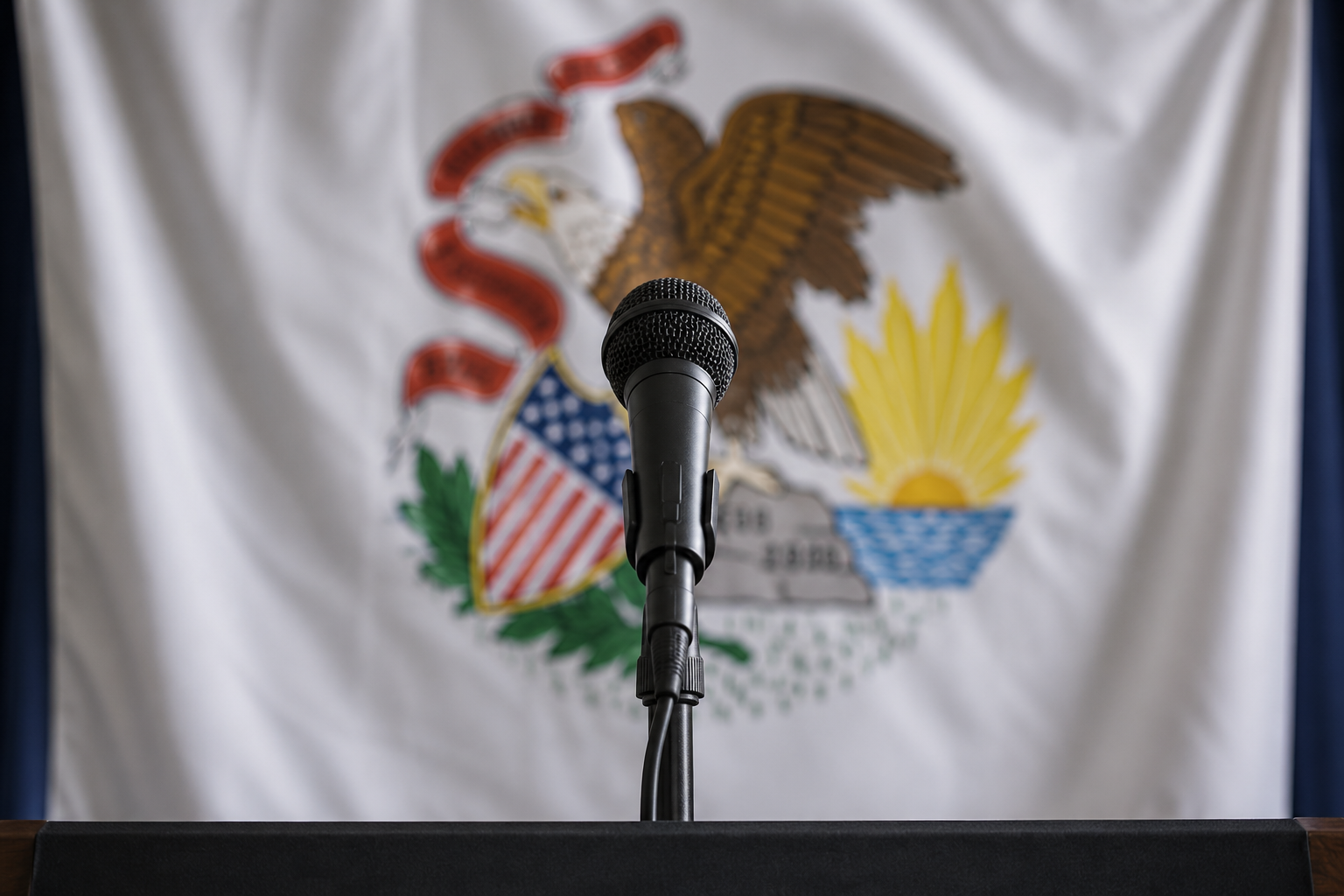
Illinois independent gubernatorial candidate Collin Corbett is demanding access to a debate forum with the Democratic and Republican nominees, facing the same polling-based exclusion rules that have kept independent and third-party candidates off debates for decades.
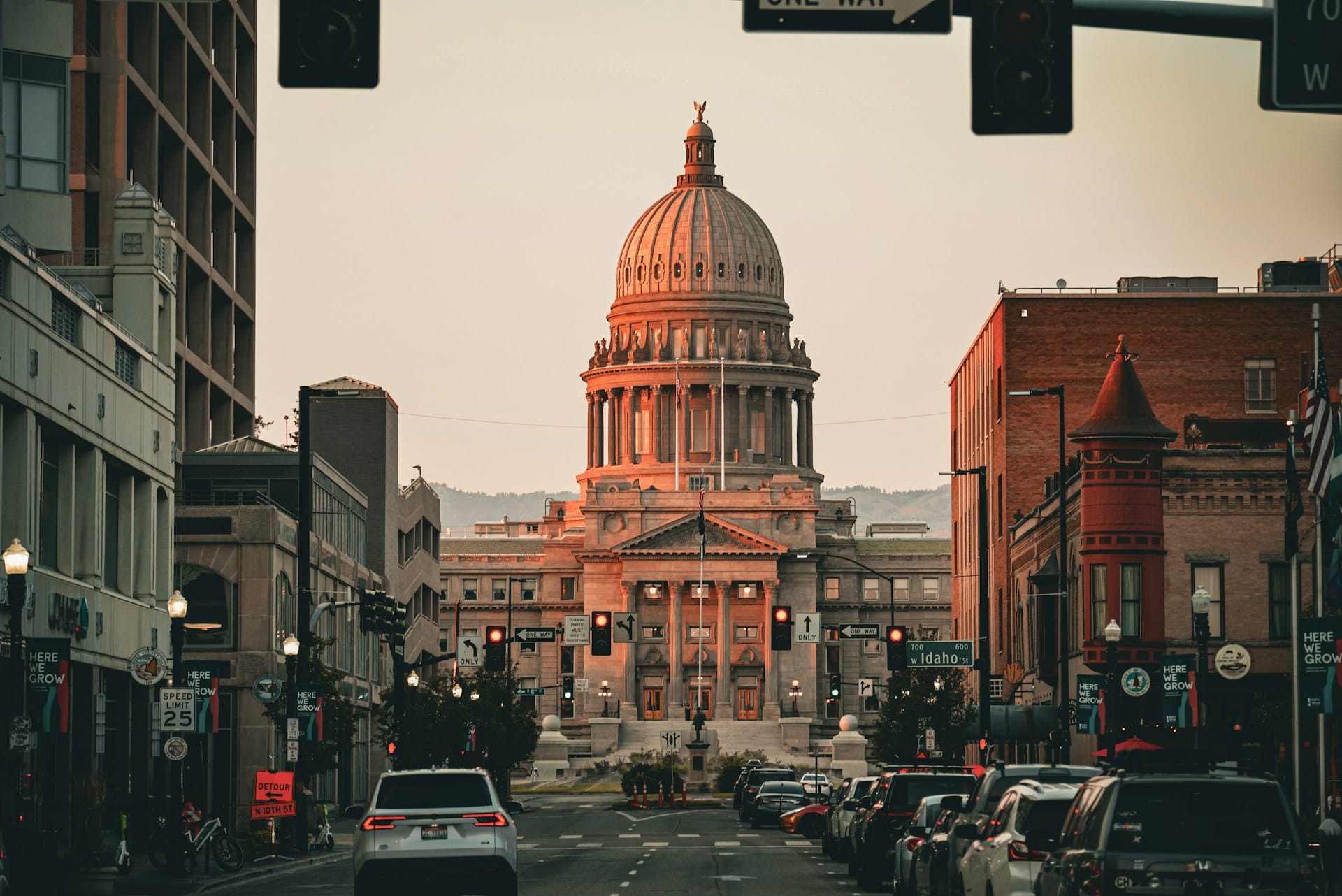
A closed Republican primary, a weak Democratic Party, and a wide gap between how Idahoans register and how they identify have produced an unusually deep bench of independents.